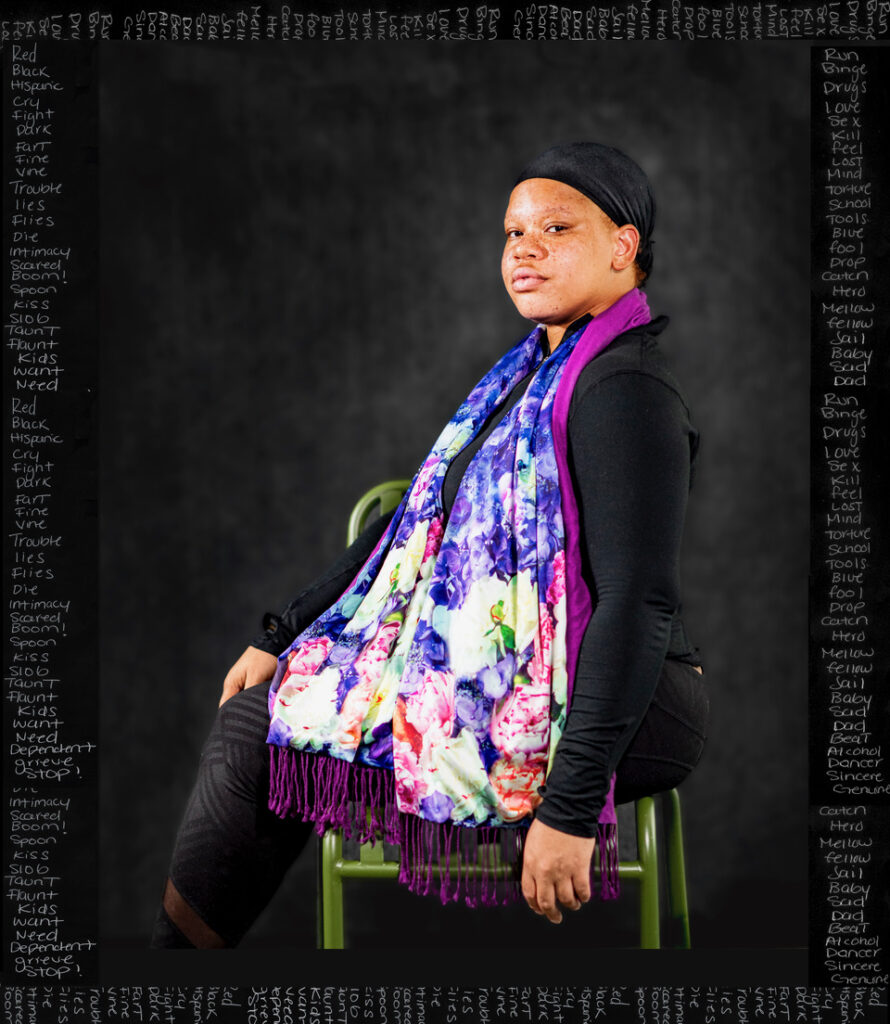
Becoming Visible: Repairing Trauma Through Photography
Story and Photography by Ann Rosen Attending graduate school for photography and art was part of my recovery from drug […]

Story and Photography by Ann Rosen Attending graduate school for photography and art was part of my recovery from drug […]

My introduction to photography came at one of the lowest points in my life. Everything had been taken from me.
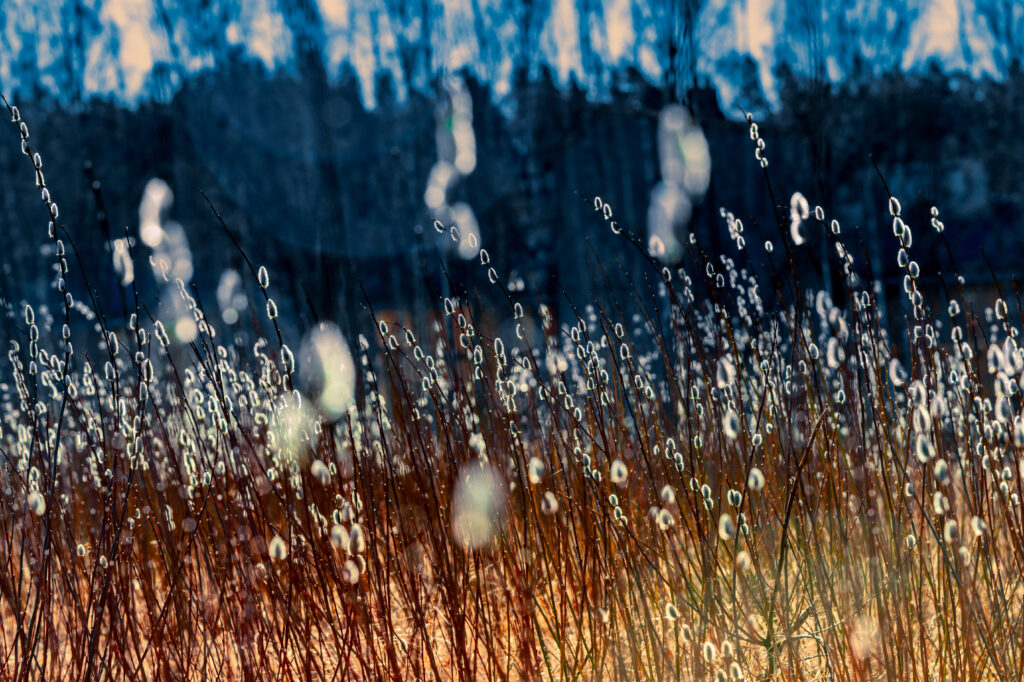
I’ve been practicing photography for more than 15 years—as a visual artist, an art educator, but more importantly, as a
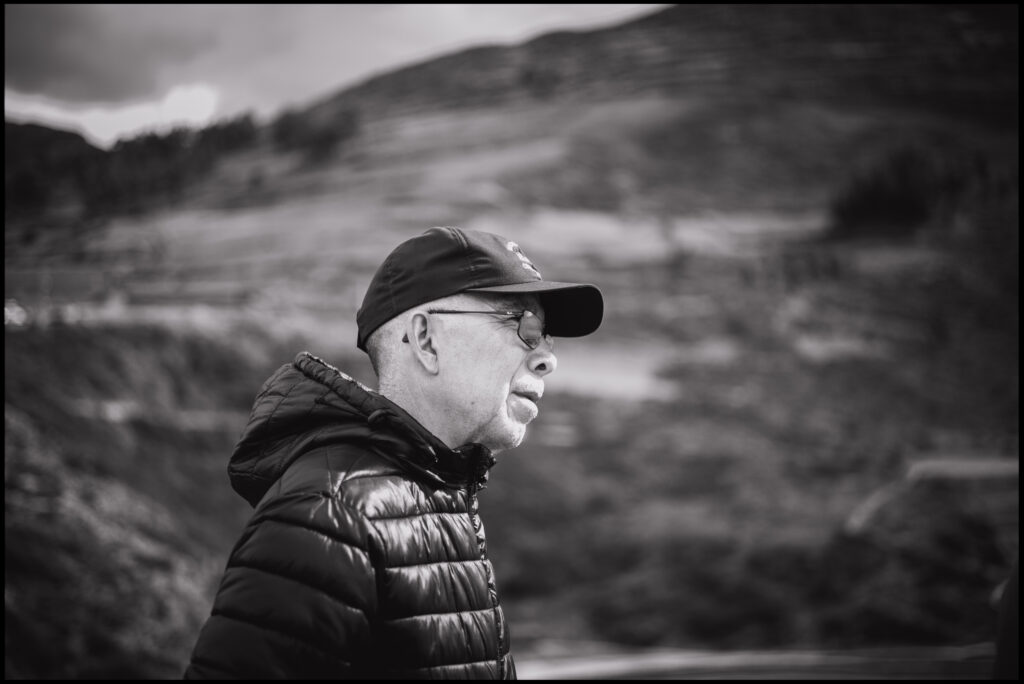
After 23 years as a combat medic, adjusting to civilian life wasn’t simple. Photography became a way to channel that constant awareness into something focused and meaningful. Behind the camera, I find moments of clarity, holding onto what might otherwise fade, and making sense of experiences that don’t easily settle.
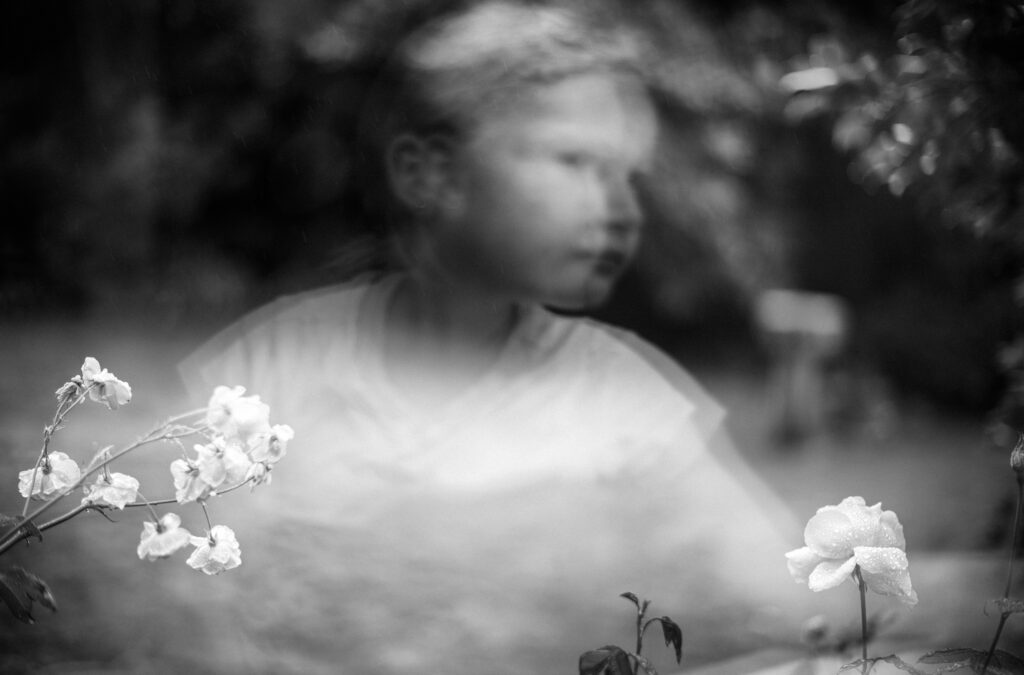
Art draws us in and invites reflection. My journey into photography began with a camera from my father and grew into a lifelong pursuit of capturing “The Poetry of Light” moments where light and shadow reveal something deeply human.
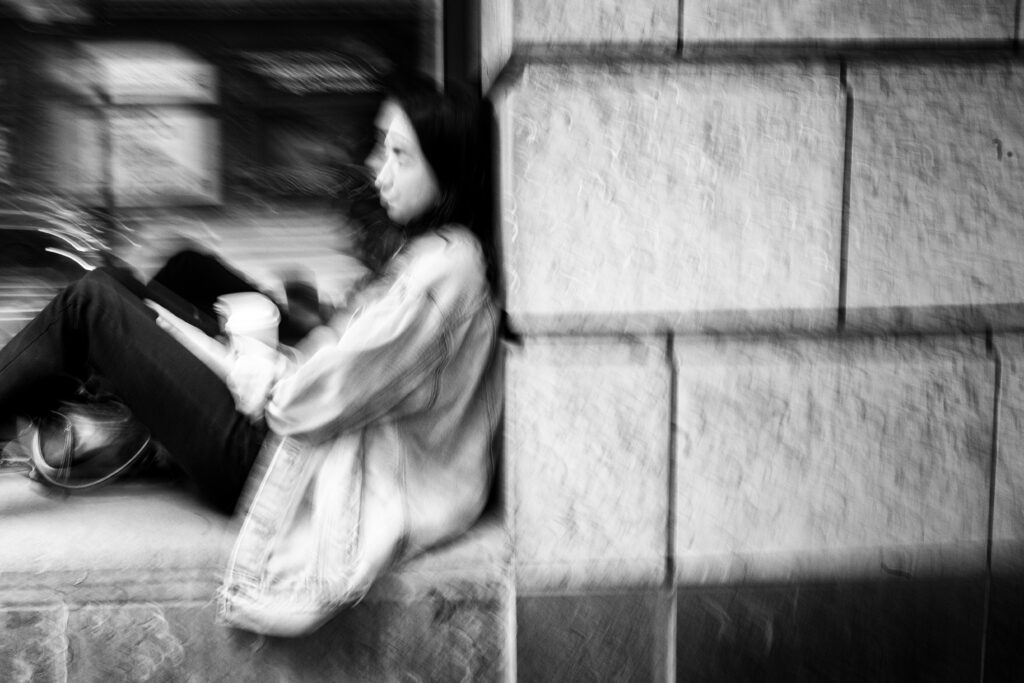
After losing his mother at a young age and carrying unseen trauma for decades, a photographer discovers that returning to the camera opens a quiet path to memory, meaning, and hope, revealing how photography can support healing through the lens of neuroarts.
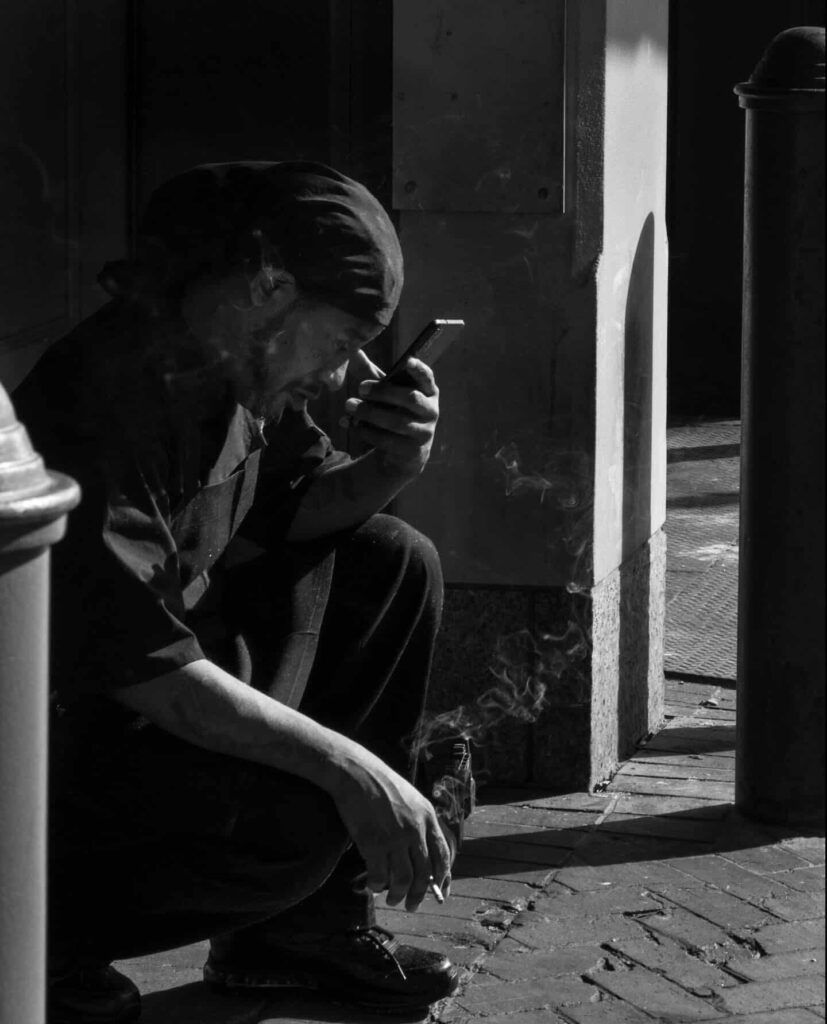
Photography changed how I see and experience the world. In a life shaped by urgency and constant motion, it taught me to slow down, stay present, and notice what truly matters. What once felt like stress became focus through the lens.
Inspired by Gordon Parks, I see photography as more than images. It is about connection, emotion, and creating something that stays with people. For me, it is not an escape from life, but a way of returning to it with clarity and deeper awareness.
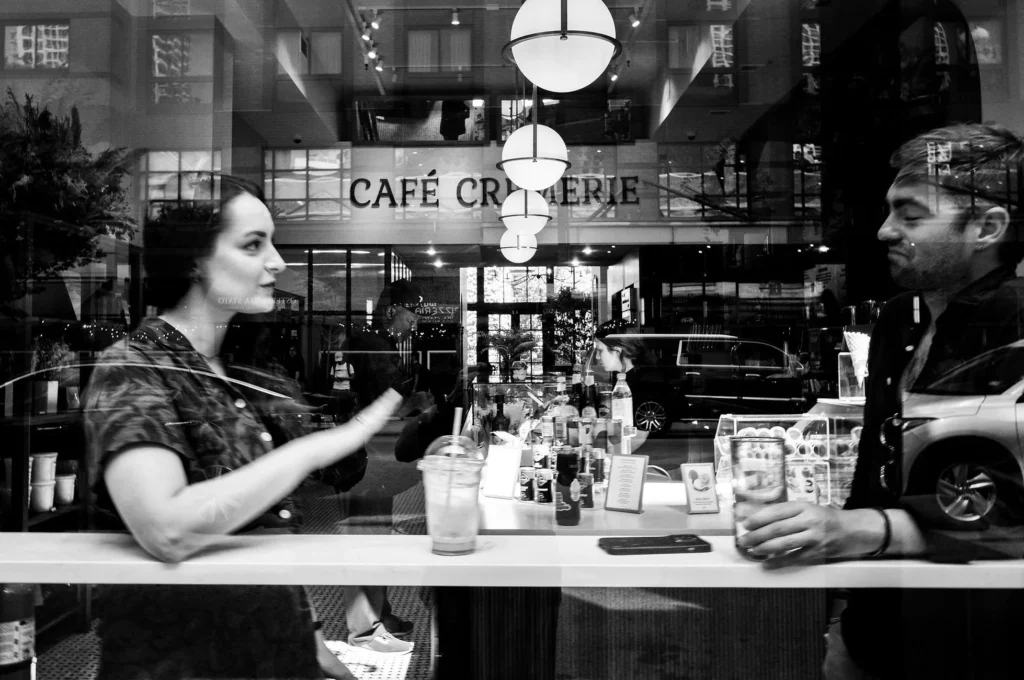
When the fall of 1970 came around, I found myself at one of the most prestigious and challenging engineering schools in the nation, Rose Polytechnic Institute (now named Rose-Hulman Institute of Technology).