Story and Photographs by John Hendrick
I spent 23 years in the military as a Navy Corpsman, a combat medic. Not all those years were spent in combat, but enough of them were. I saw people at their best and worst. I saved lives, lost some, and experienced things at 25 that, looking back now at 50, I know never really left me.
Two decades of living at a high pace, being hyper-aware, always thinking one step ahead, doesn’t turn off when the uniform comes off. When I transitioned into civilian life, I felt out of place. What used to be normal, reading a room, noticing everything, staying alert, started to feel like something was wrong. I’d catch myself thinking, “I need to relax.” But I couldn’t. It wasn’t something I could switch off.
That’s where photography shifted for me.
I had always carried a camera, but during that transition, it became something else.
Instead of trying to quiet everything down, I redirected that energy into the camera. It gave me somewhere to place that awareness, something I could focus on without fighting it.
When I’m behind the camera, things slow down, not around me, but internally. I’m not scanning everything or trying to stay ahead. I’m focused on one thing: light, a gesture, a moment about to pass. For that brief second, everything else fades. I’m just there. It’s one of the few times my mind feels clear.
At first, I overcomplicated it, trying to control what I felt through the image. The more I forced clarity, the further away it felt.
What changed things was a simple question: Do I remember in stills, or in motion?
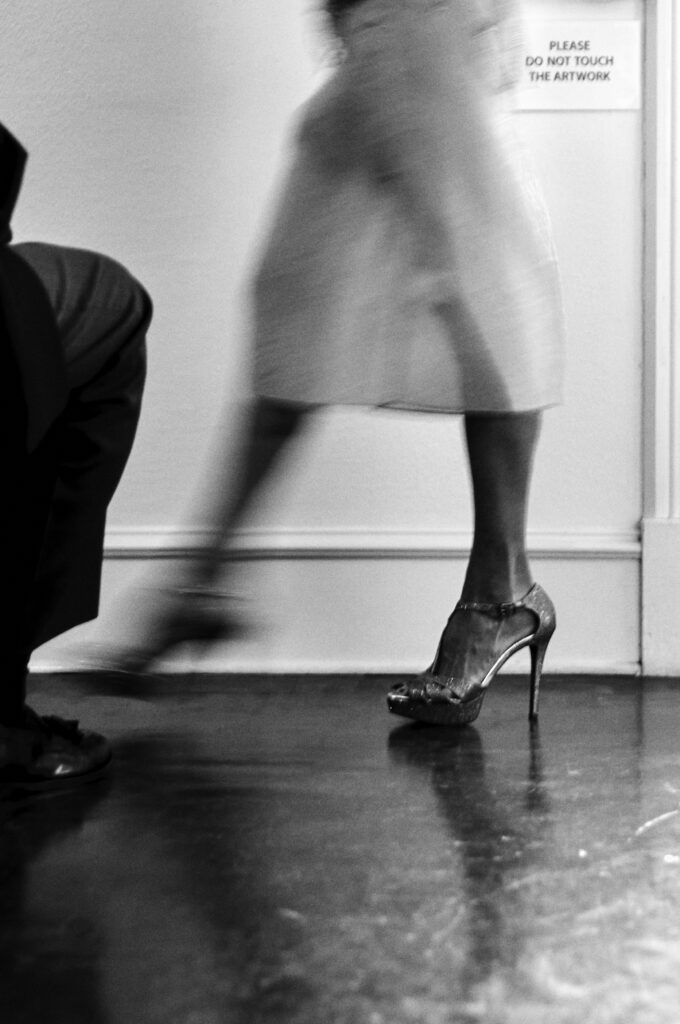
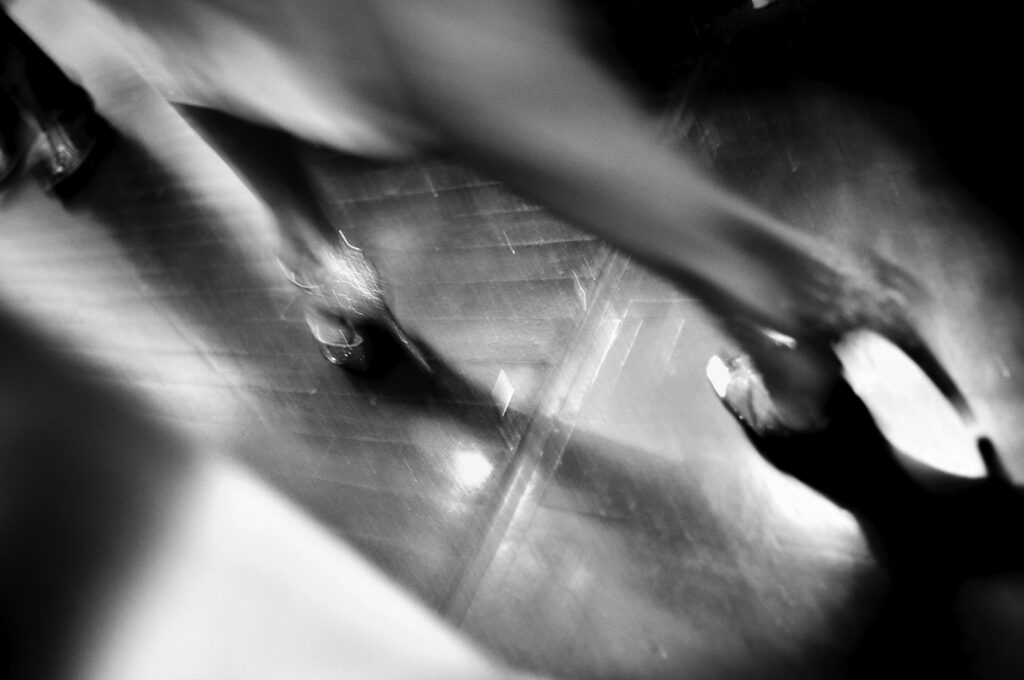
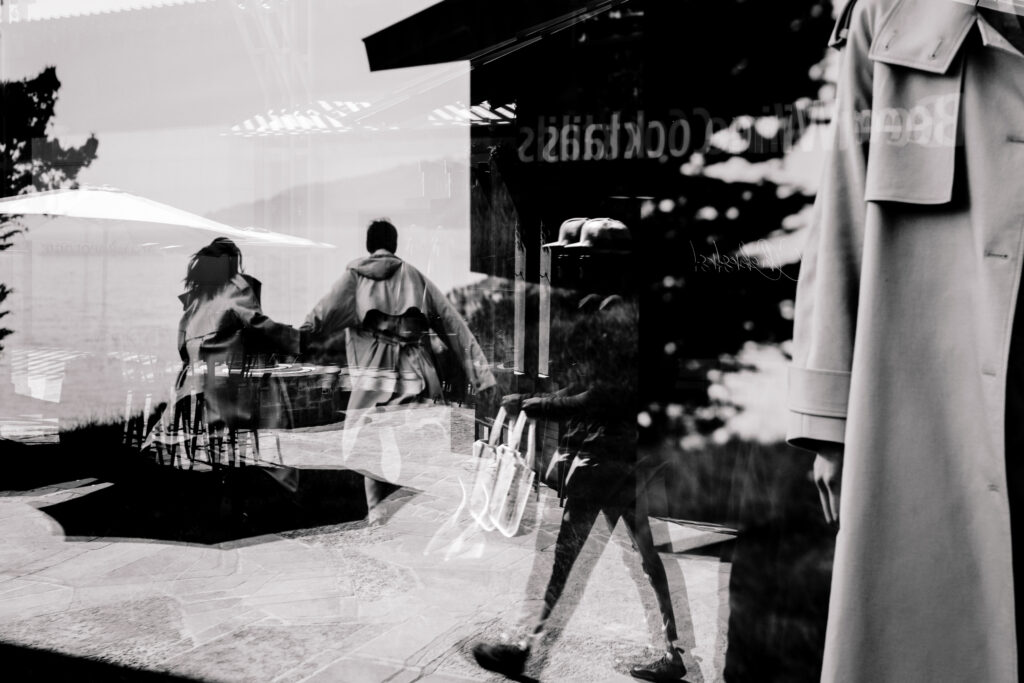
I had been struggling to hold onto certain moments. Some stayed sharp. Others didn’t.Some felt clear, while others slipped even as they were happening. When I looked at my images, I saw the same thing. Not everything was still. Not everything was sharp. Some frames carried movement, fragments that felt incomplete, but honest.
Around that same time, I traveled to my father’s homeland, Peru. It was the first time we experienced it together as adults. I made a photograph of him there. Nothing staged, just a moment. At the time, it didn’t feel like much. But he passed away not long after, and that image became something else entirely.
It became something I could return to.
That’s when I understood what photography was doing for me. It wasn’t about perfect images or documenting everything. It was about holding onto something that wouldn’t exist the same way again, giving certain moments a place to stay, even as everything else kept moving.
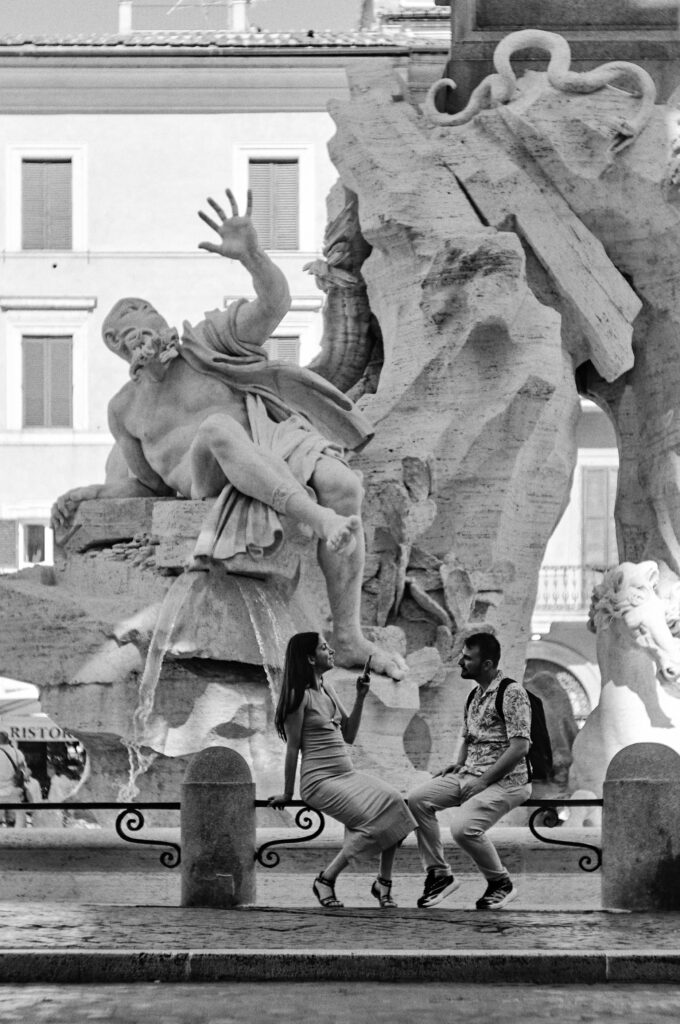
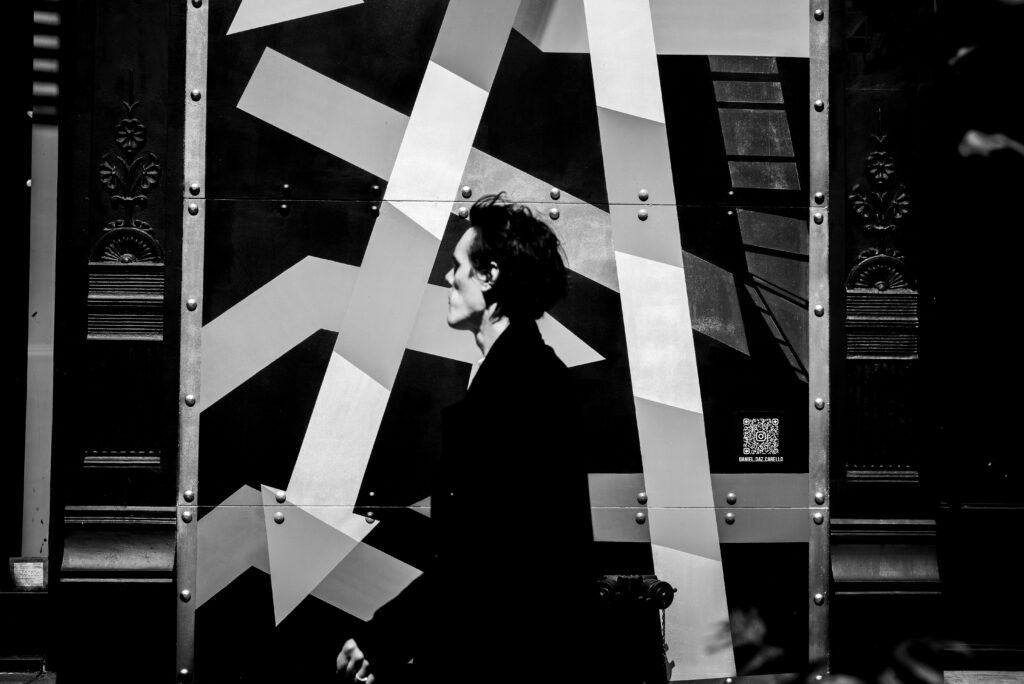
Over time, I stopped trying to photograph everything. Now I focus on what stands out, what feels like it might not stay, or what I don’t fully understand yet. Some images make sense right away. Others take time.
Photography gave me a way forward. Not as an escape, but as something I can return to, something I can work through in
real time. A way to take everything that doesn’t slow down and place it into something I can sit with, even if only for a moment.
And sometimes, that moment of clarity is enough.
– John Hendrick