A friend of mine who survived a near-fatal car crash once remarked, “We should be like recovering alcoholics. We should tell people, ‘My name is so-and-so, and I had a traumatic brain injury.’”
My name is Paula Jill Krasny, and during the pandemic, I sustained a traumatic brain injury when I was struck on the head by falling ice. I am not comfortable stating this, in part because I am still working on accepting that there have been permanent changes from the injury. The fact that my injury is invisible to others further complicates matters.
Months after the impact to my head and extensive rehabilitation therapies, I was still suffering from sensory overwhelm, stabbing headaches, loud tinnitus, dizziness, confusion and exhaustion. I fell in the supermarket a few times, collapsed during yoga – despite being certified to teach, passed out at the hairdresser’s, lost my wallet more than once, was on the verge of tears from the sound of a crumpling paper bag, and screamed and cowered in fear at a dog on a hiking path. The list goes on.
Over time, I learned to employ various skills I acquired from working with some gifted healers. Through trial and error, significant lifestyle changes, and the miracle of neuroplasticity, I have learned to navigate my environment more mindfully and to live a more joyful life.
Like others living with post concussion syndrome, I have curated a “toolkit” of grounding items to use when I start becoming overwhelmed and disoriented from my light, noise and motion sensitivity. Some of my aids include noise-cancelling earbuds to tamp down sounds, specialized corrective glasses, a palm rock, and mindfulness techniques.
Yet, my two secret weapons are my dog Orli and my camera. To help keep my mind calm and focus on my surroundings when photographing, I often have Orli attached to my core in a cross-body carrier and wear my earbuds.
The visual arts, which always have been a part of my life, played an integral role in my rehabilitation. After enough public blunders, anxiety and fear made it increasingly difficult for me to leave the house. An insightful neuropsychologist put my art history background to work.
He instructed me to go to museums during off-hours with my dog Orli, to sit down, and to look at a single painting, focusing on a section at a time. When I became overwhelmed or tired, I was to leave. I eventually worked up to an entire gallery. Today, I still go to museums during off-peak hours, seeking respite from the overstimulation of our world and inspiration for my own work and life. Often, Orli is faithfully by my side.
Unfortunately, this counselor died unexpectedly. While I lost my strongest advocate, I did not lose my hope or determination. With the help of a friend, I found another gifted neuropsychologist who understood brain injuries as well as my tenacious, overachieving nature.
The new neuropsychologist noticed that I was having problems focusing and organizing myself. Fearing that I was going to become even more frustrated and depressed as someone who had been a high achiever, she wanted me to concentrate on one or two pursuits, so that I could continue to improve, and potentially master, something. We chose photography.
It has been a years-long, never-ending process, with many skills to accomplish — from acquiring a camera, to learning how to use it, to capturing compelling images that speak both to my soul and to others.
My camera is a stabilizing tool. It allows me to tune out the noise and commotion of the world and to slow things down so that I can translate my emotions into a fixed image.
When I am behind my camera, most of the time I feel safe and as if I do not have a sensory disorder. In addition to being a storytelling medium, photography helps me to construct a world that I want to live in.
My most compelling images are the ones where I feel chemical or physical changes occurring in my brain or body as I am capturing them. Often, there is some type of energy exchange between the subject and me. At times, it is profound. Each image I capture ends up revealing some facet of myself.
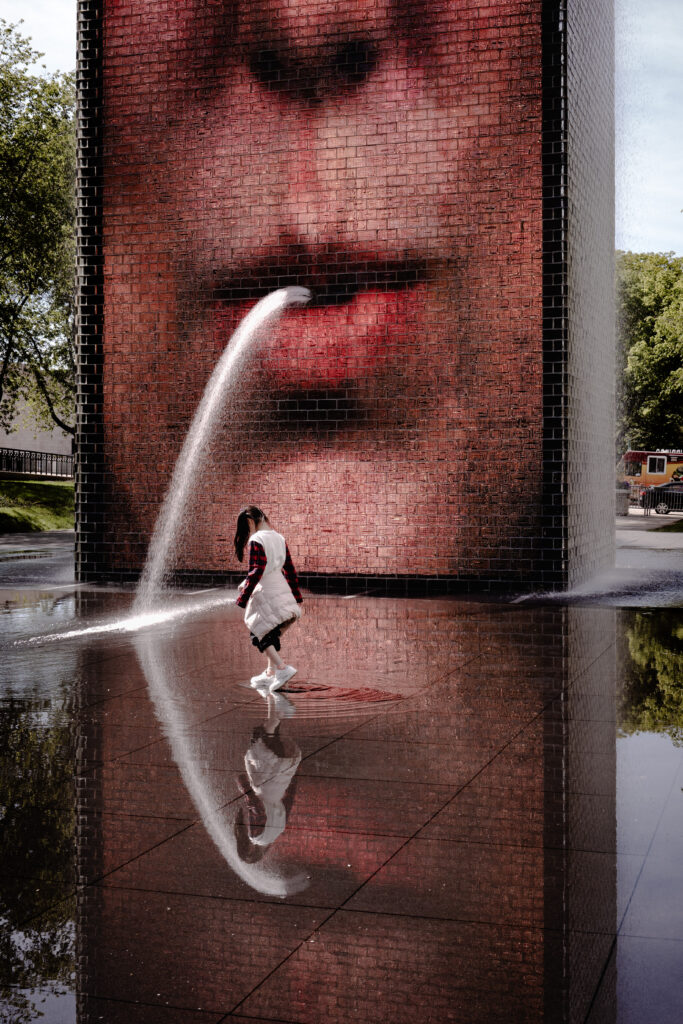
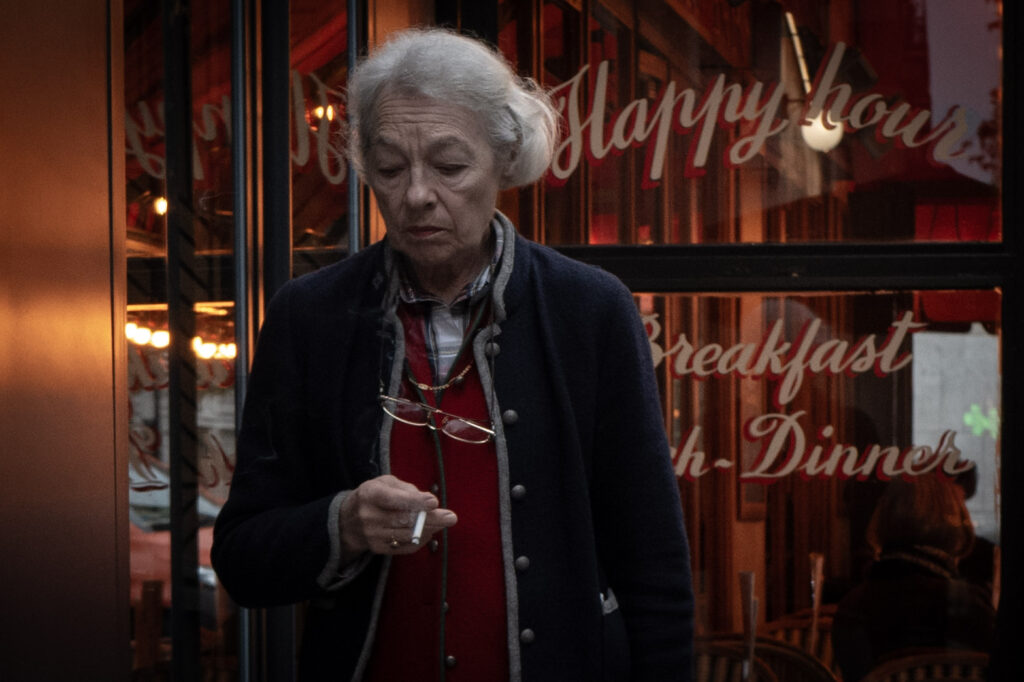
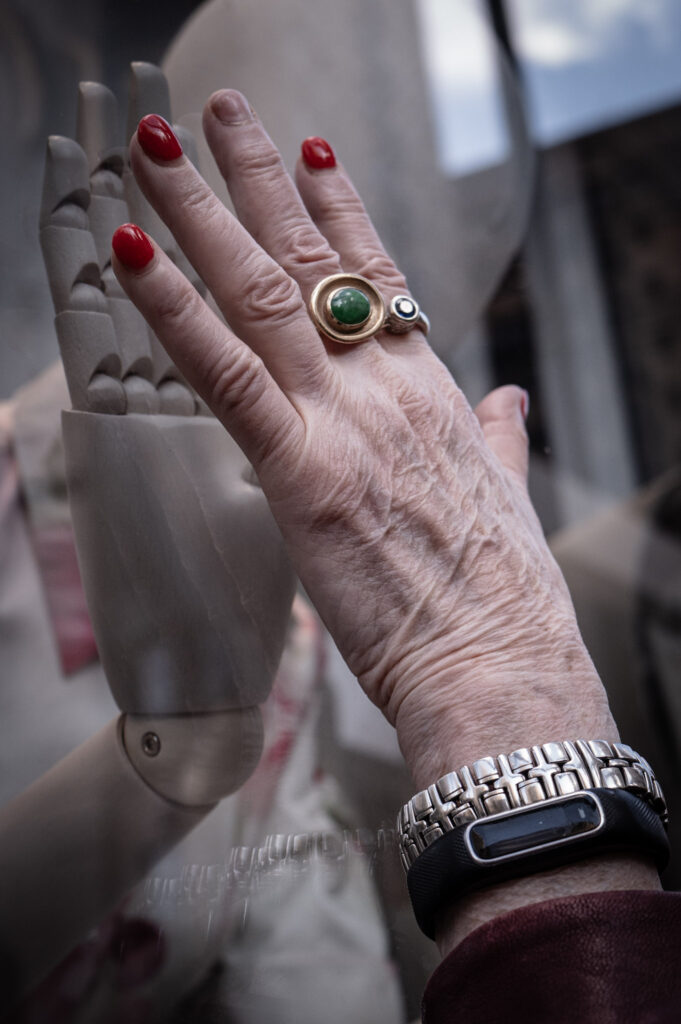
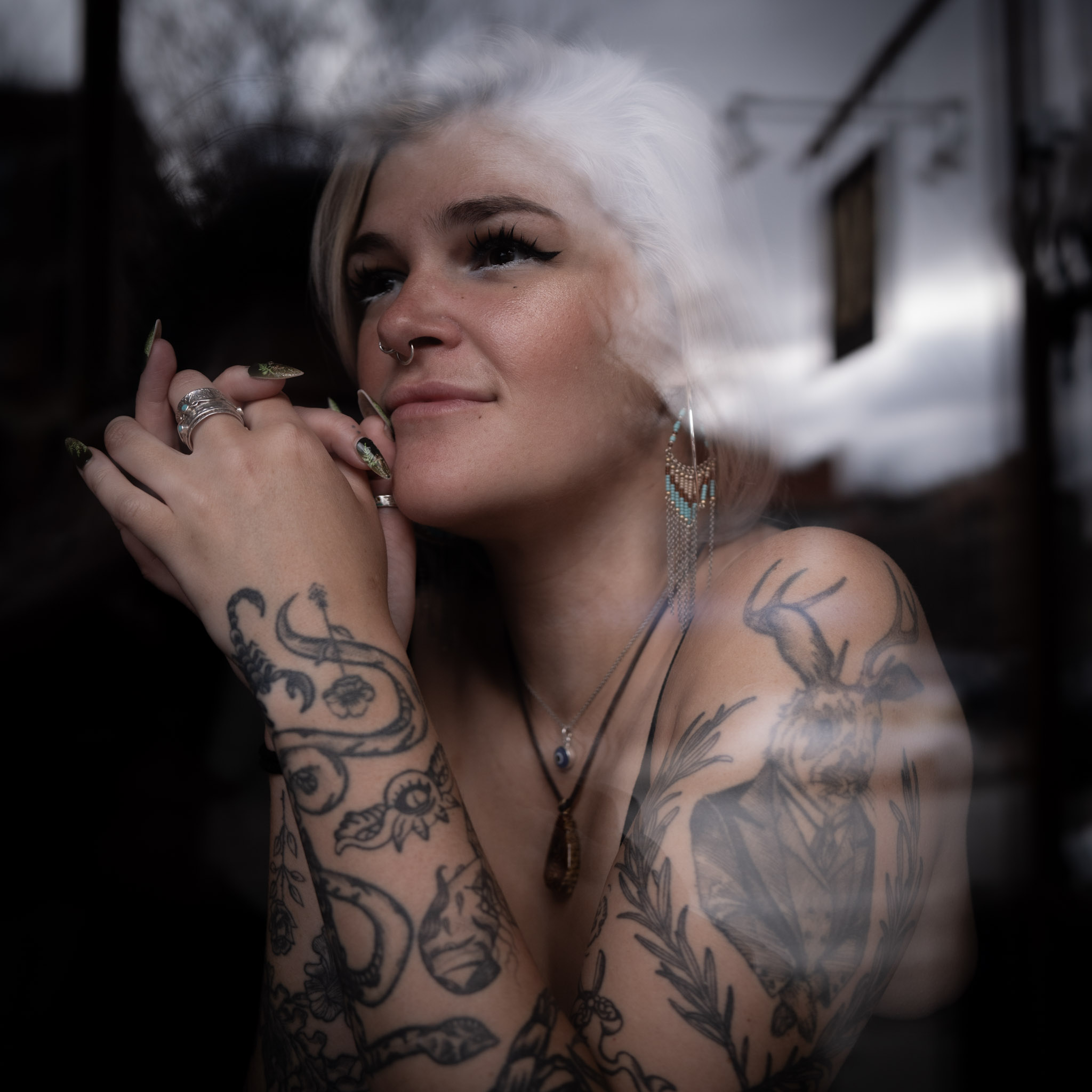
The images presented here are street photos of females in various stages of life. I am convinced that but for my brain injury and other life experiences, I would not have been able to capture these fleeting moments or the emotions they evoke. My sincere hope is that by sharing my story, I have inspired you in some way to creatively navigate your own life challenges.
– Paula Jill Krasny