Photos and Story by David Butow
In the early 2010’s, the frantic pace of my work as a magazine photojournalist had begun to slow. I had spent much of the previous decade on assignment in conflict zones in the Middle East, covering natural disasters all over the world and immersing myself in political turmoil in United States.
Now, budgets of magazines were getting significantly cut, which meant less travel, less excitement and also, less exposure to dramatic and sometimes terrible and dangerous situations.
These changes to the professional climate forced me to rethink my relationship with photography. While I missed some of the adrenaline rushes, there had clearly been a psychological toll of witnessing so many terrible things. When a horrific earthquake struck Haiti in 2010, I declined a request by my photo agency to go. I just didn’t want to put my nervous system through something like that. I had moved a few times in a short period, had gone through some life changes and needed a break from so much negativity.
So what then to do with photography, the activity that had been my love and raison d’être since the age of 16? I thought this could be an opportunity to photograph something upbeat, to tackle a subject that made me calm and happy but still gave me the same sense of excitement and exploration that I had when I was first learning photography as a teenager.
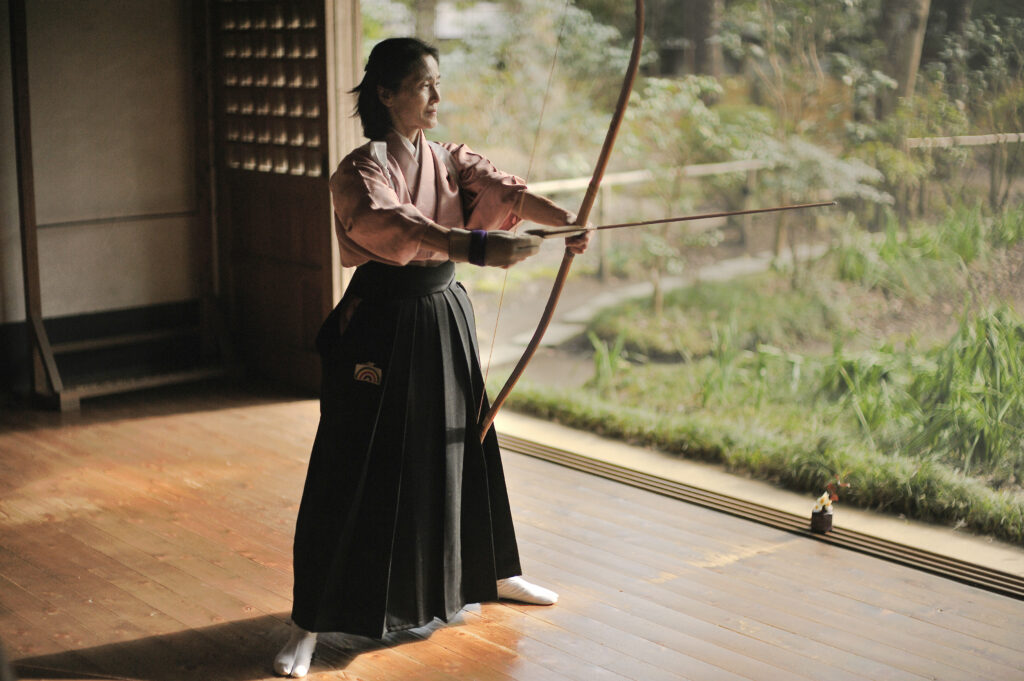
Around that time I was reading a biography by Jean-Pierre Montier called “Henri Cartier-Bresson and the Artless Art.” I became intrigued by the links that Cartier-Bresson, my first photographic hero, had made with photography, Eastern philosophy and Buddhist ideas. Cartier-Bresson was influenced by a book called “Zen in the Art of Archery,” written in the late 1940’s by Eugen Herrigel, a German who had gone to Japan to study the martial art Kyūdo, a practice rooted in ideas from Zen Buddhism.
Cartier-Bresson was especially interested in the parallels of being an archer with being a photographer, the focusing of the mind and body, and then reaction at the precise or “decisive” moment to take the shot, whether you were shooting an arrow or a picture.
While many people think of his pictures as being primarily about graphic design, his genius went way beyond that. His body of work contains a tremendous sense of empathy and interest in the human condition. Photography, he wrote, is about “putting one’s head, one’s eye, and one’s heart on the same axis.”
I had never read a phrase that so perfectly described what I had been trying to do since I first picked up a camera. I printed that phrase and stuck in the wall of my home office next to another one by Ansel Adams which read: “If the documentary photograph is to be truly effective, it must contain elements of art, intensity, fine craft, and spirituality.”
Some of my pictures had intensity, I was working on the fine craft, and on the best days there was some art, but I wasn’t so sure that I was getting to the spirituality. To put that quality into a photograph requires a certain kind of preparation and meditation, a heightened level of awareness and seeing that goes way beyond the superficial.
There is so much to keep track of, you almost can’t do it consciously. It’s much like an athlete in the flow state, all the preparation and skill must be applied unconsciously. That’s the essence of doing the archery Kyūdo, and that’s the essence of putting one’s eye, head and heart in alignment.
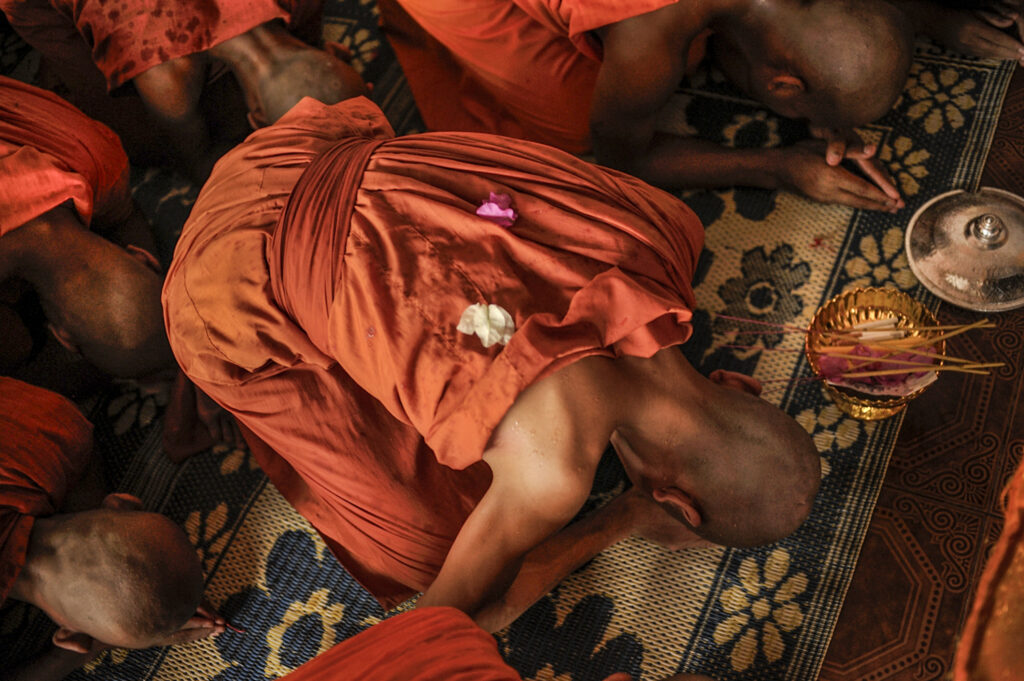
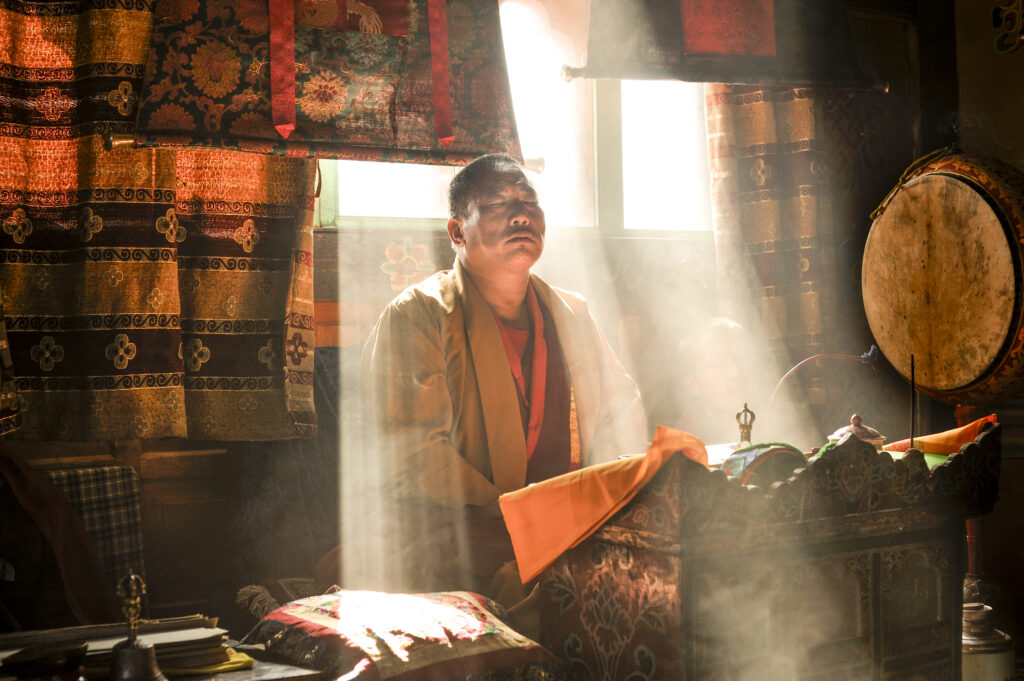
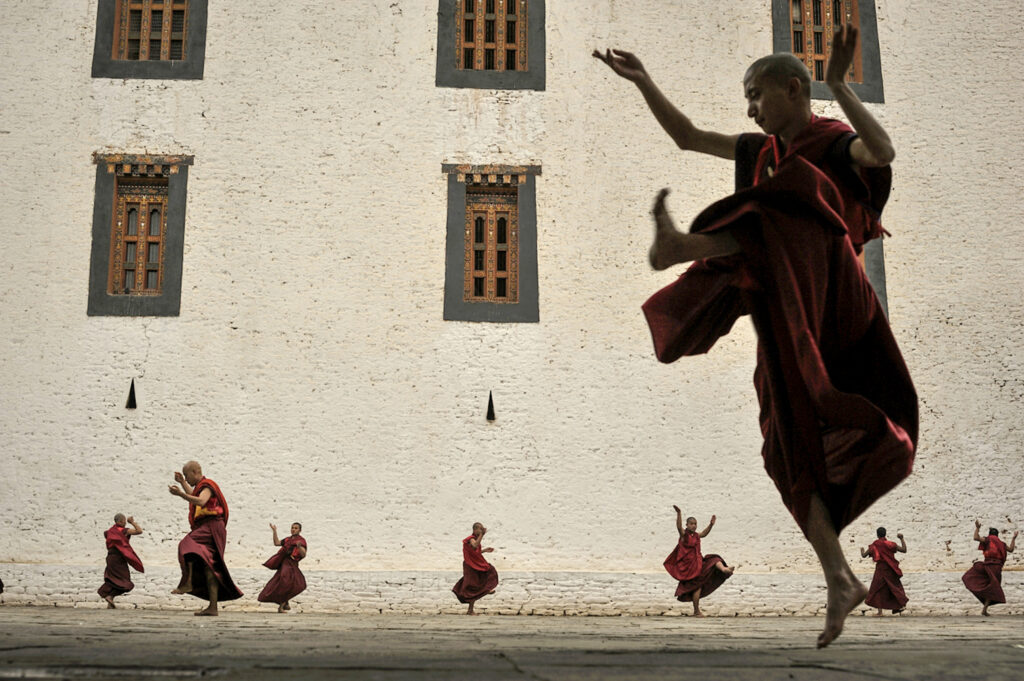
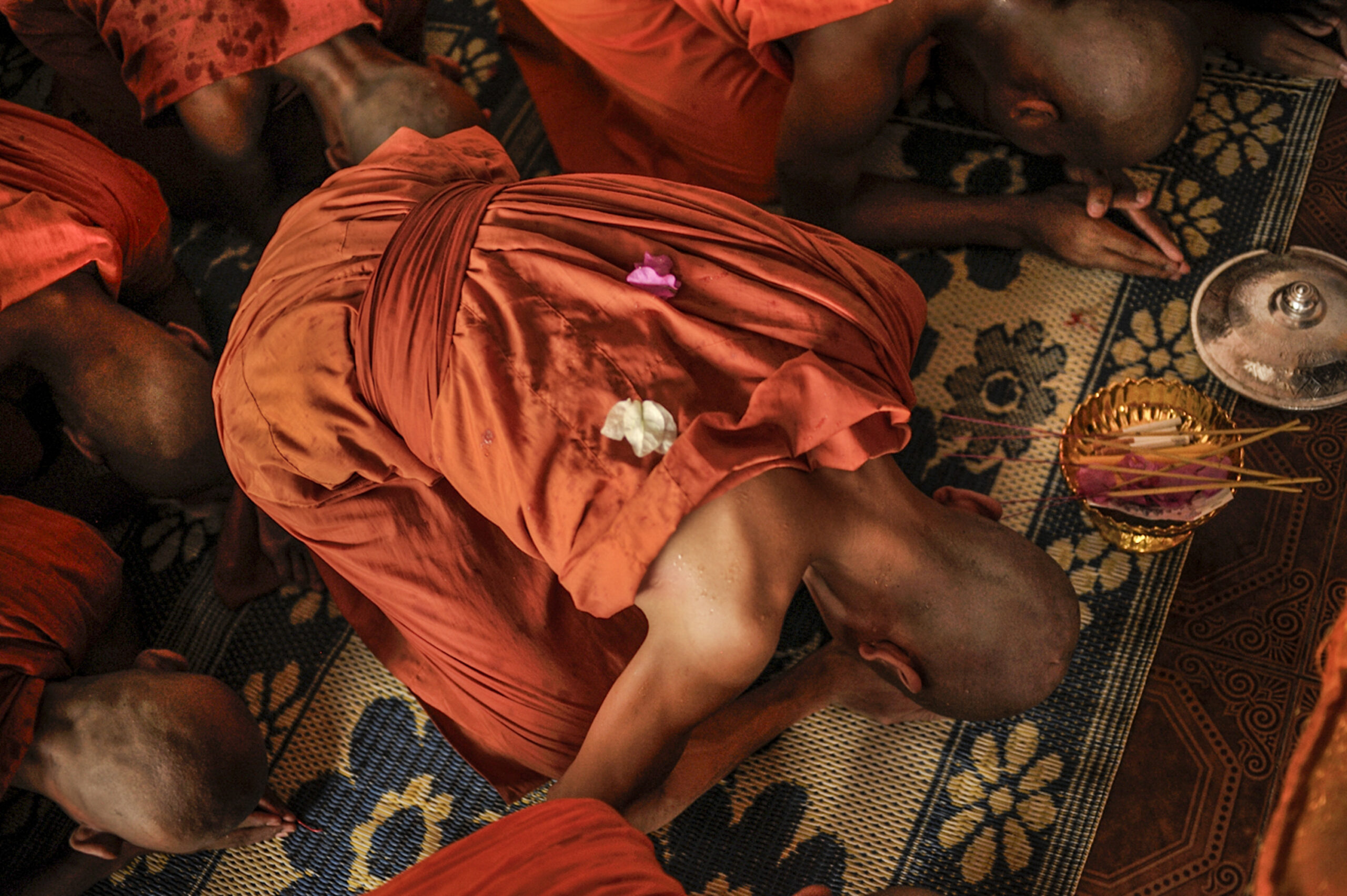
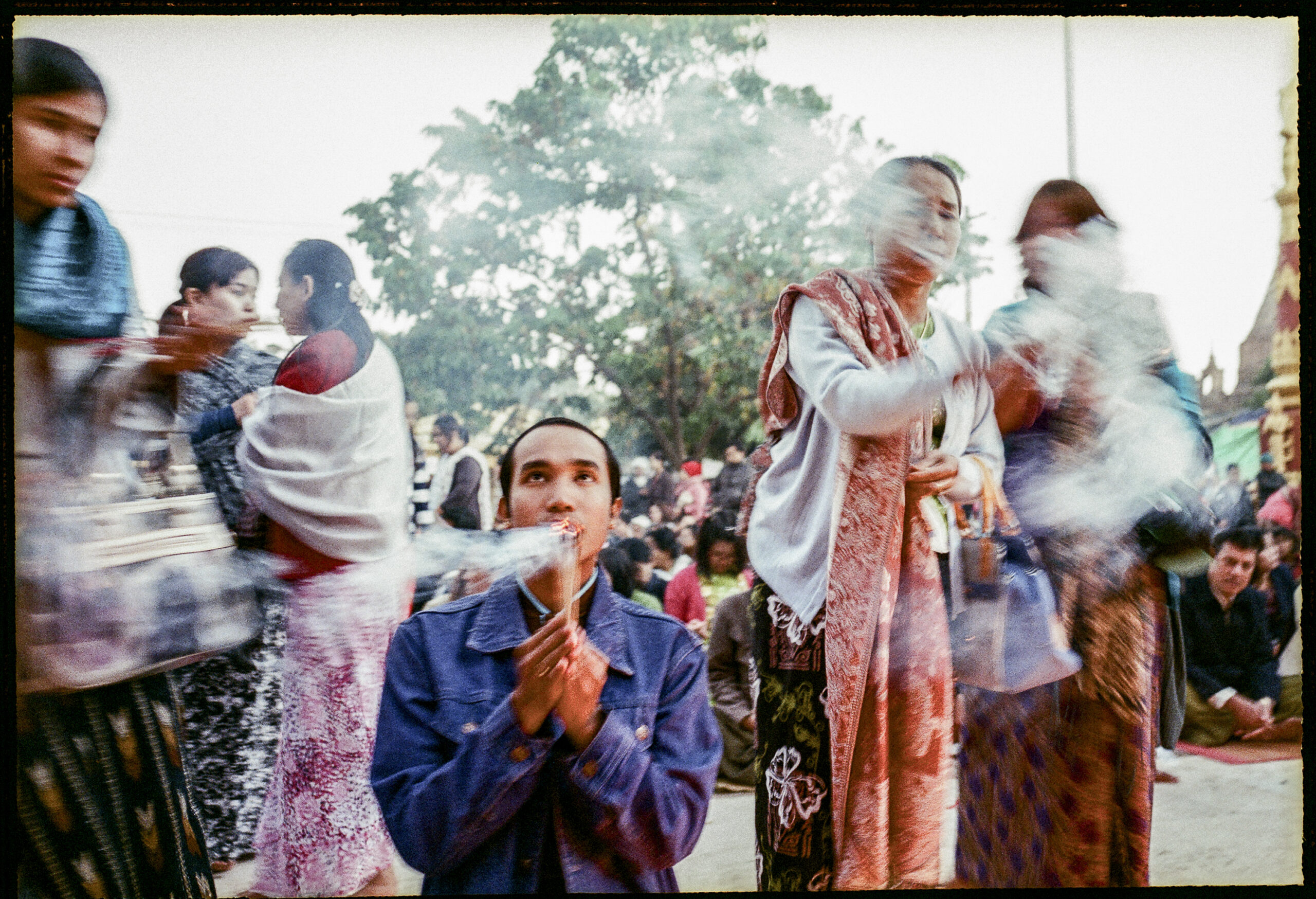
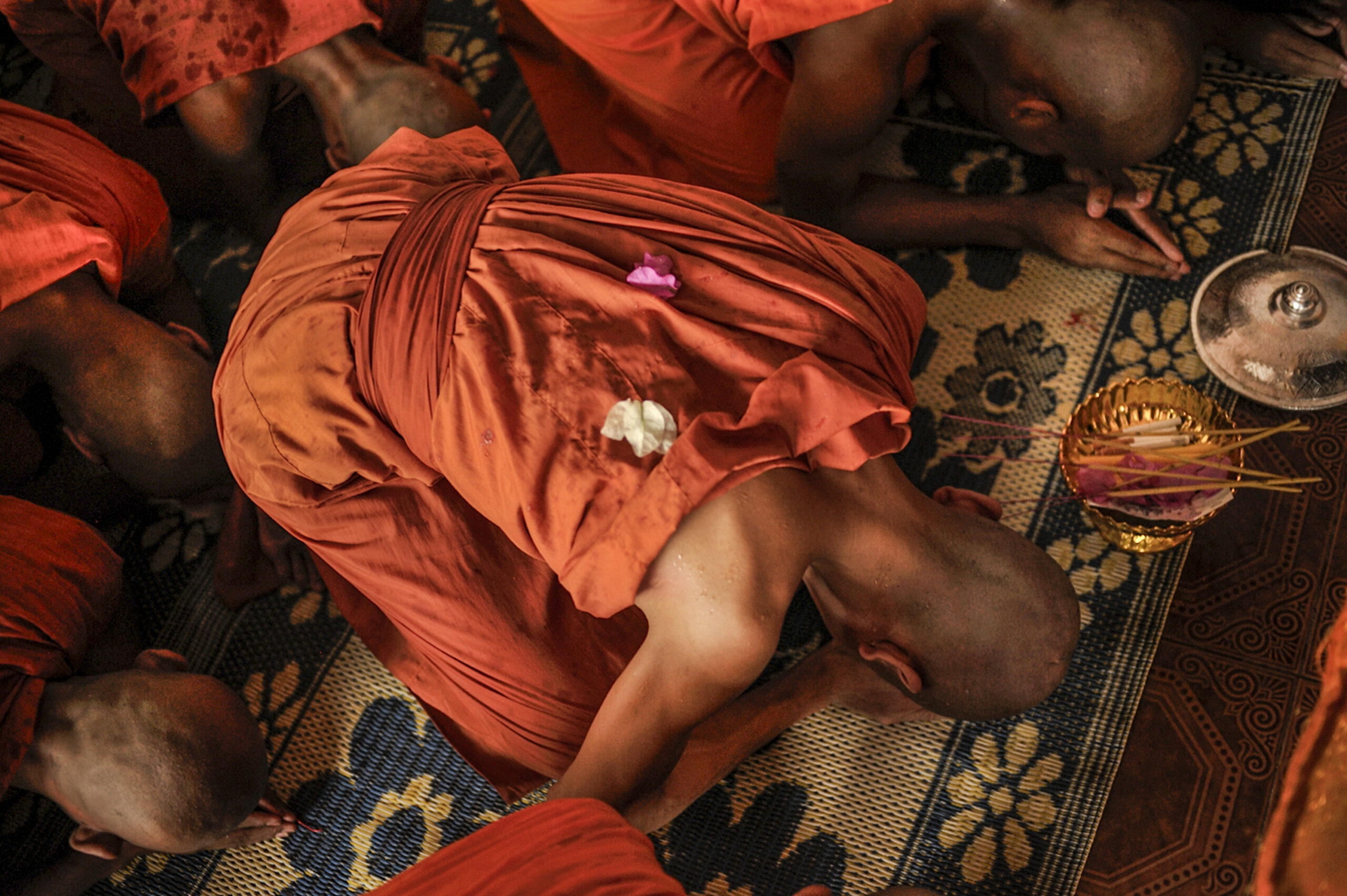
If a heightened level of spirituality was what I was after, I thought, what better photographic subject than Buddhism itself, which embraced concepts of mindfulness, impermanence and inner peace. I was curious how this intersection of design, emotion, sensibility, and sensitivity could be seen in the visual design of Buddhist cultures: in art and architecture, of course, but also, I thought, in the variety of Buddhist practices.
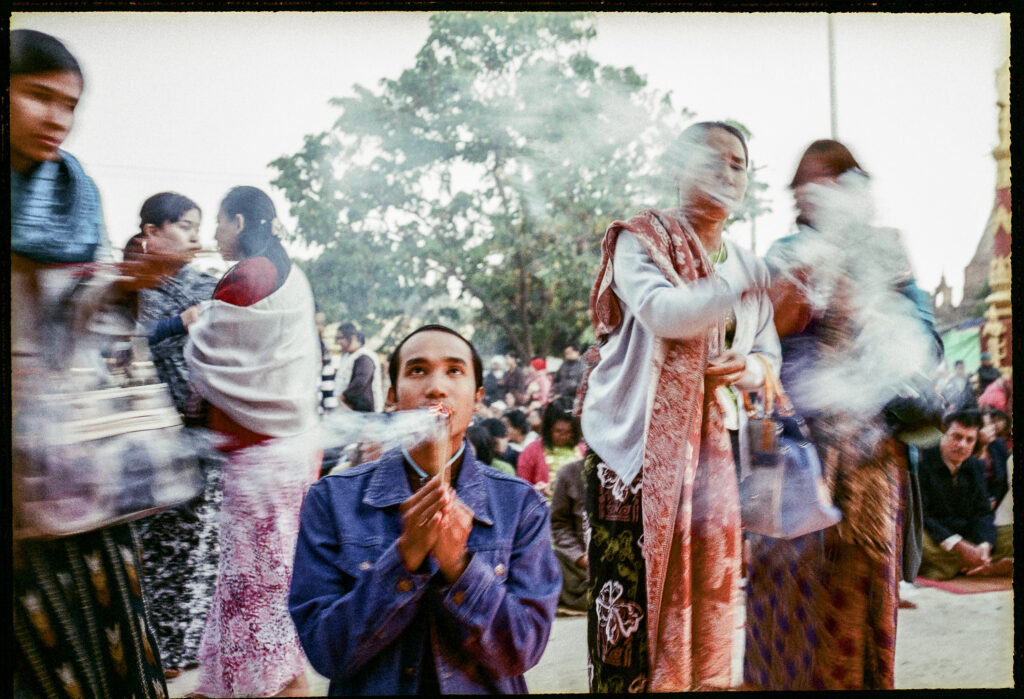
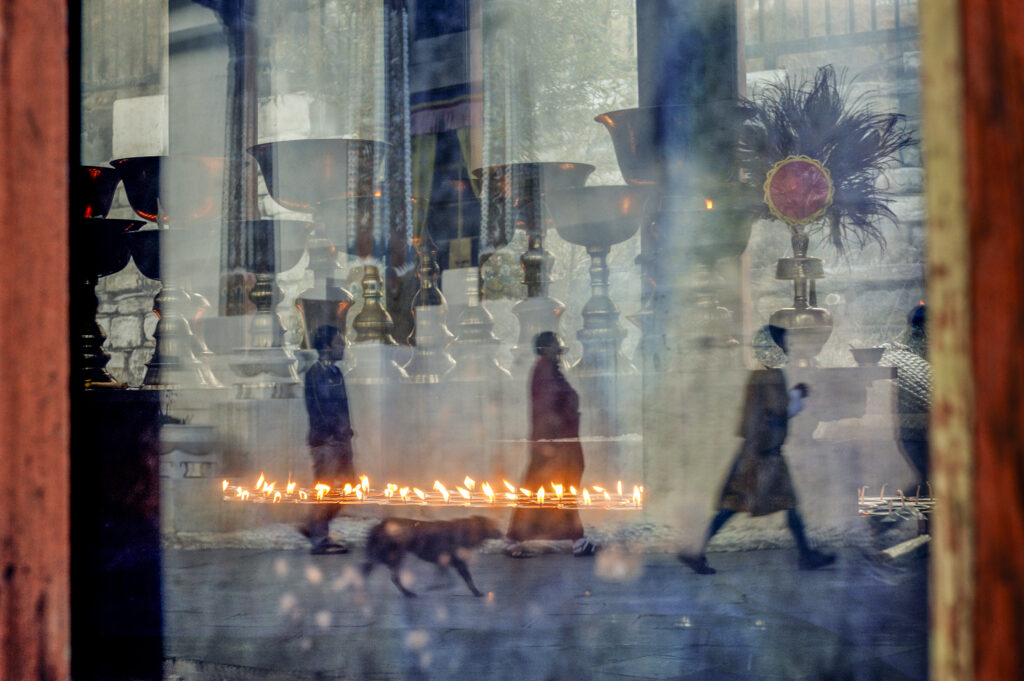
Most spiritual literature uses the words “see” or “vision: to describe the transcendent experience. If Buddhist practitioners were trying to “see” Buddha and attain enlightenment, I would photograph them in the process and try a little seeing of my own, merging the ideas of observation in both the photographic and spiritual sense. The viewers of my images would also participate in this process.
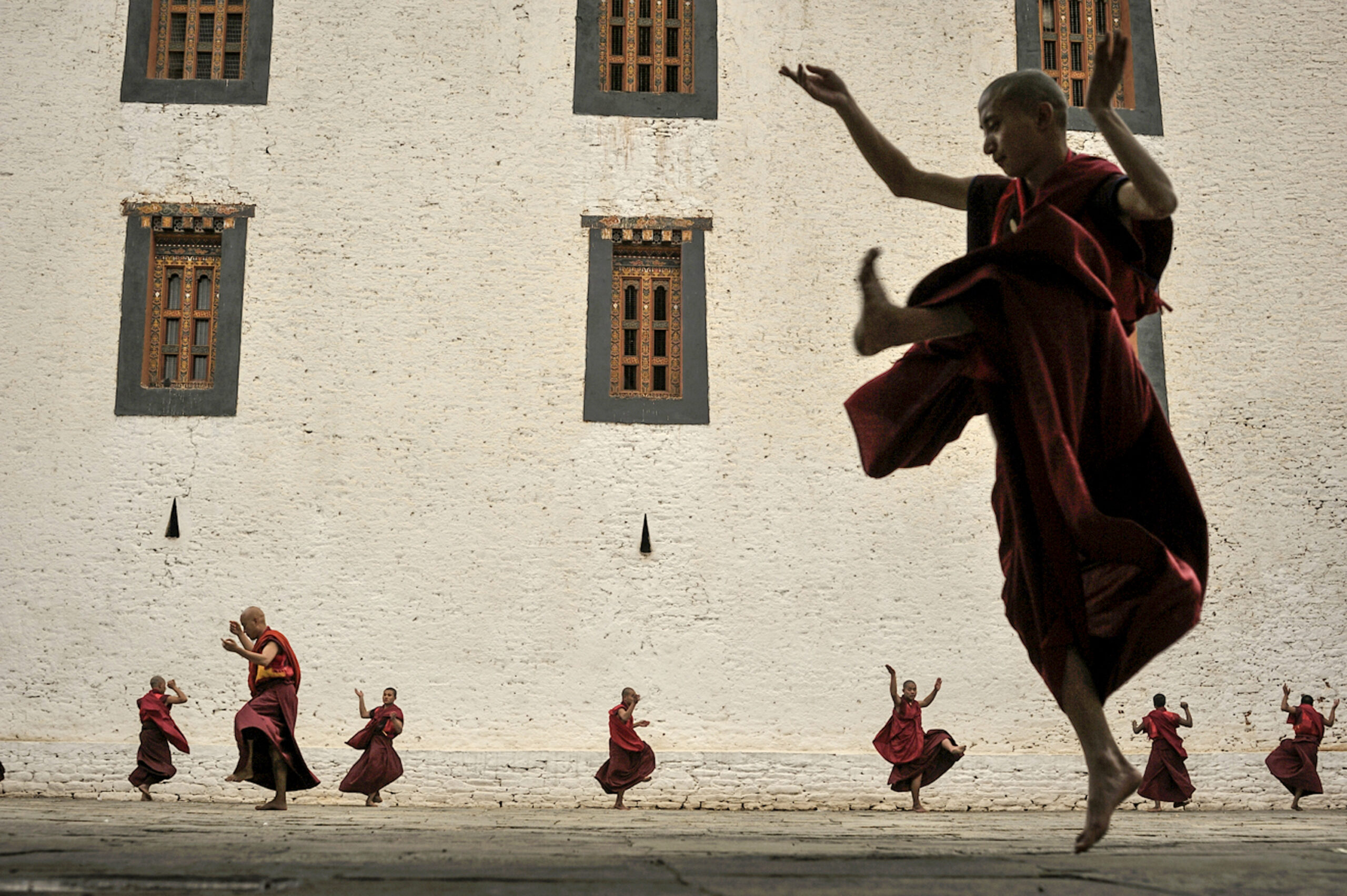
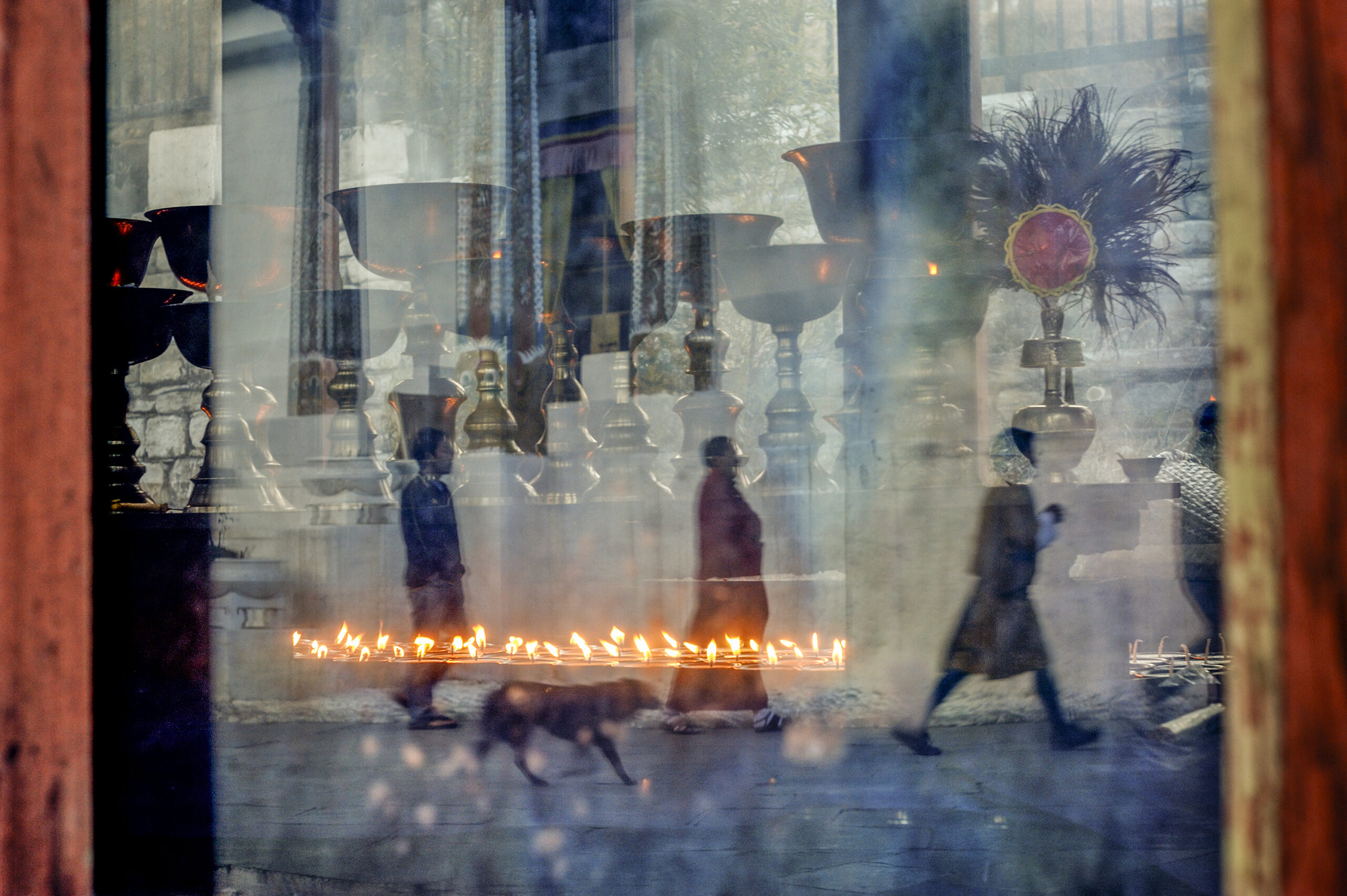
First, I made a list of key places to go, constructing a journey into the heart of Buddhism, the places where it began and spread from, and where it was the dominant religion of the area. Some of those places, like Tibet and Nepal, I’d already visited, but many I had not, like Bodhgaya, India, the site of the Buddha’s enlightenment, and Bhutan, a country where Buddhism is the official national religion.
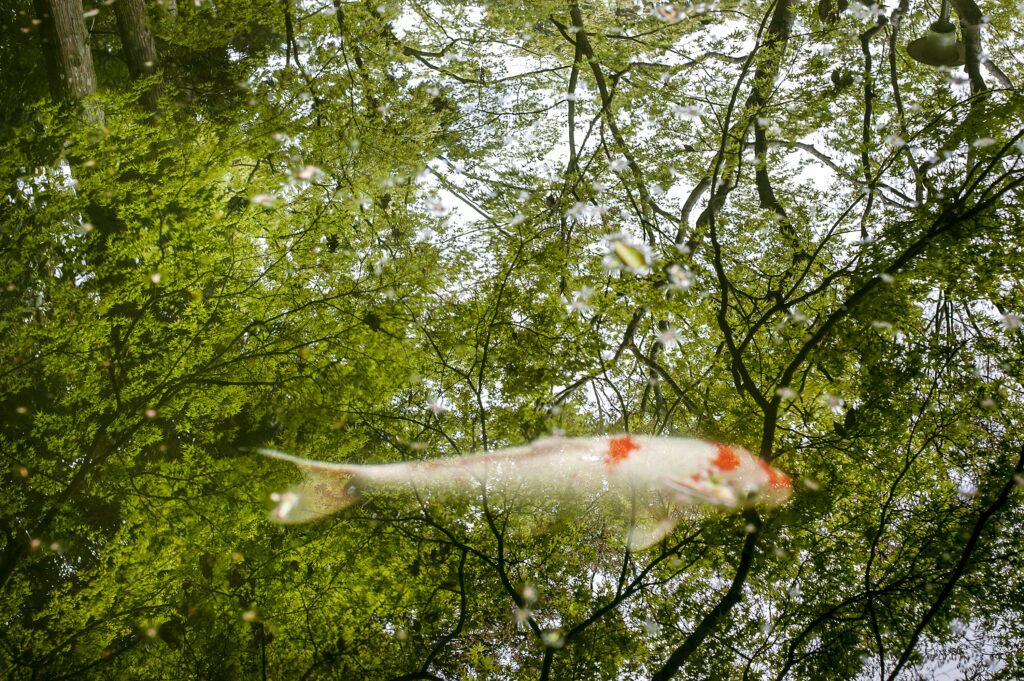
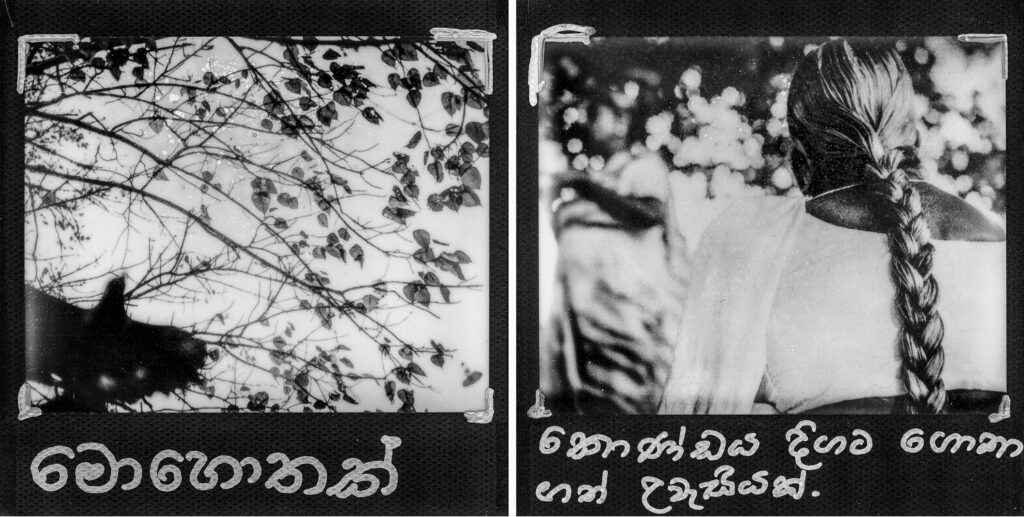
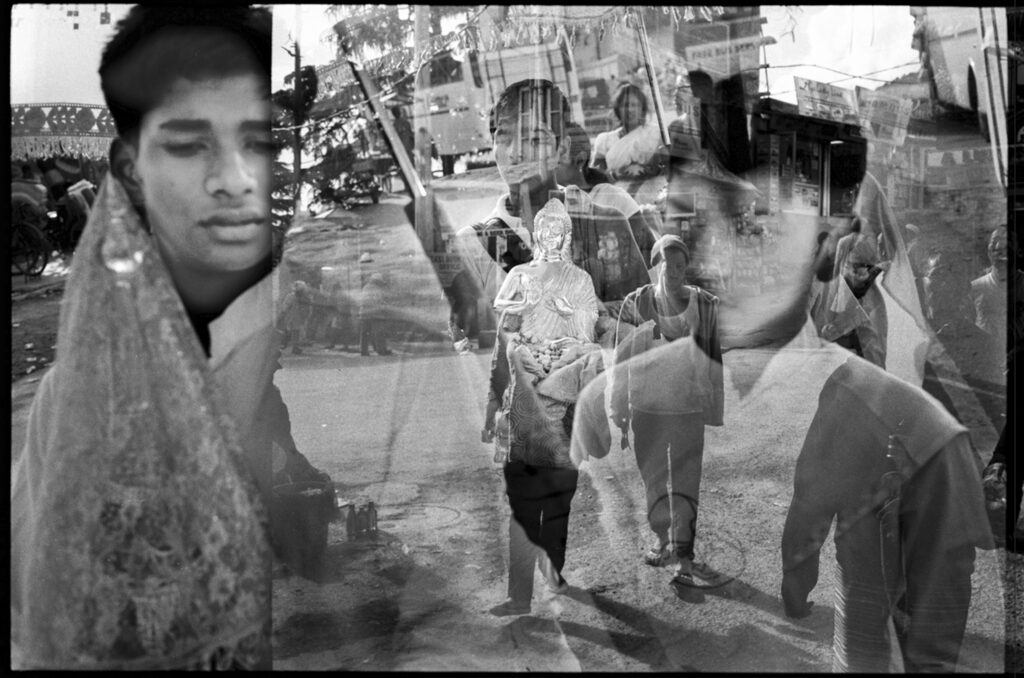
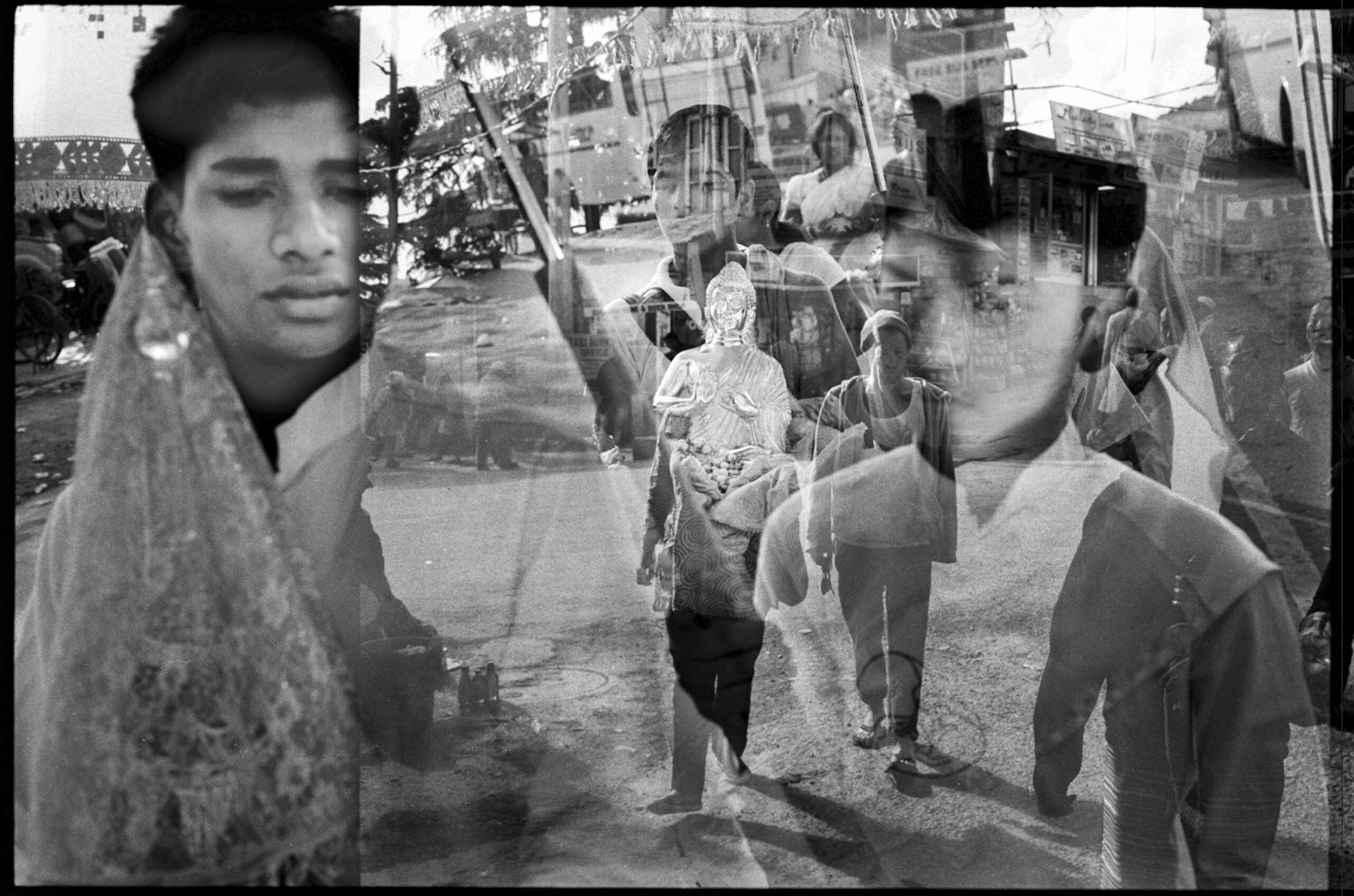
I used both digital and film techniques and a variety of cameras and formats to emphasize the cultural variety of these places and practices. The variations also helped me to find different ways of perceiving the subject; the experience of using an $80 plastic camera loaded with black and white film, limited to 10 frames, is much different, for instance, from photographing with a modern DSLR. I shot digital color in the standard 3×2 format everywhere I went, but in many locations I used a film technique exclusive to that place.
These pictures are a tightly edited sample of what I saw and how I felt. To go to these places and witness these scenes was a privilege, but communicating the visual and personal experience is the far greater pleasure.
You, the viewer, are now part of that process.
– David Butow, Co-Founder, Fotophase